
THE PSYCHOLOGY OF STAGING: HOW DESIGN CHOICES INFLUENCE BUYER DECISIONS
Property decisions happen emotionally before they happen rationally. Buyers viewing homes aren't just evaluating specifications. They're responding to how spaces make them feel and whether they can imagine themselves living there.
Understanding buyer psychology matters commercially because it shapes how properties should present themselves. Professional staging applies this understanding strategically, using design choices that influence perception, accelerate decisions, and strengthen offers.
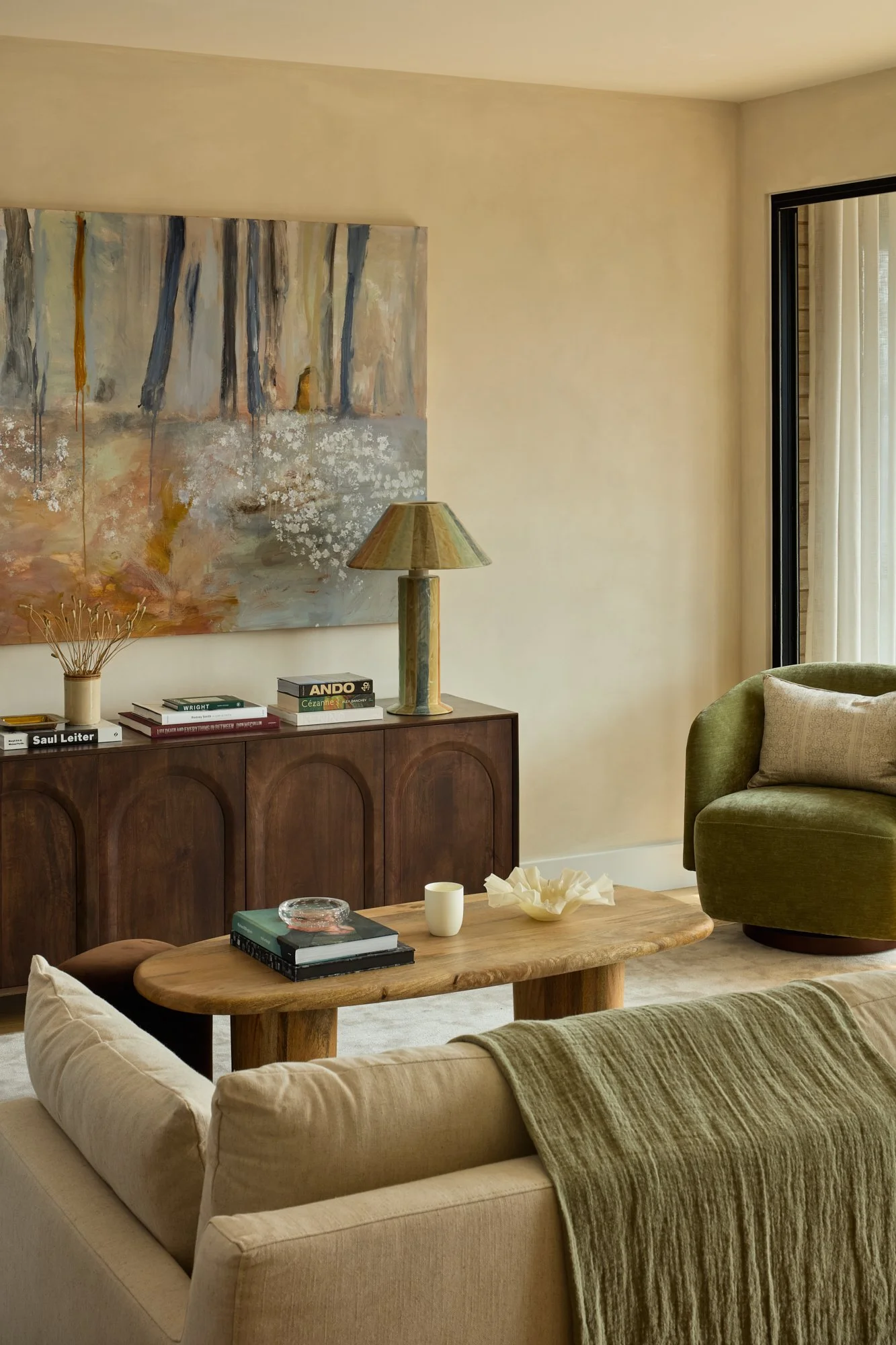
WHY FIRST IMPRESSIONS DETERMINE OUTCOMES
Buyers form initial impressions within moments of entering spaces, and those impressions powerfully influence everything following.
Initial responses happen pre-consciously
Before buyers consciously analyse room dimensions, their minds have already categorised spaces as appealing or uncertain. This pre-conscious response determines whether they engage emotionally or remain analytically detached during viewings.
Confirmation bias reinforces first reactions
Once buyers form initial impressions, they unconsciously seek information confirming those impressions whilst discounting contradictory evidence. Properties creating positive first responses benefit from this tendency. Properties creating uncertainty struggle against it.
Decision confidence forms quickly
Market research shows confidence to make offers typically forms within the first few minutes of viewing or doesn't form at all. Properties must create immediate positive responses to convert interest into offers.
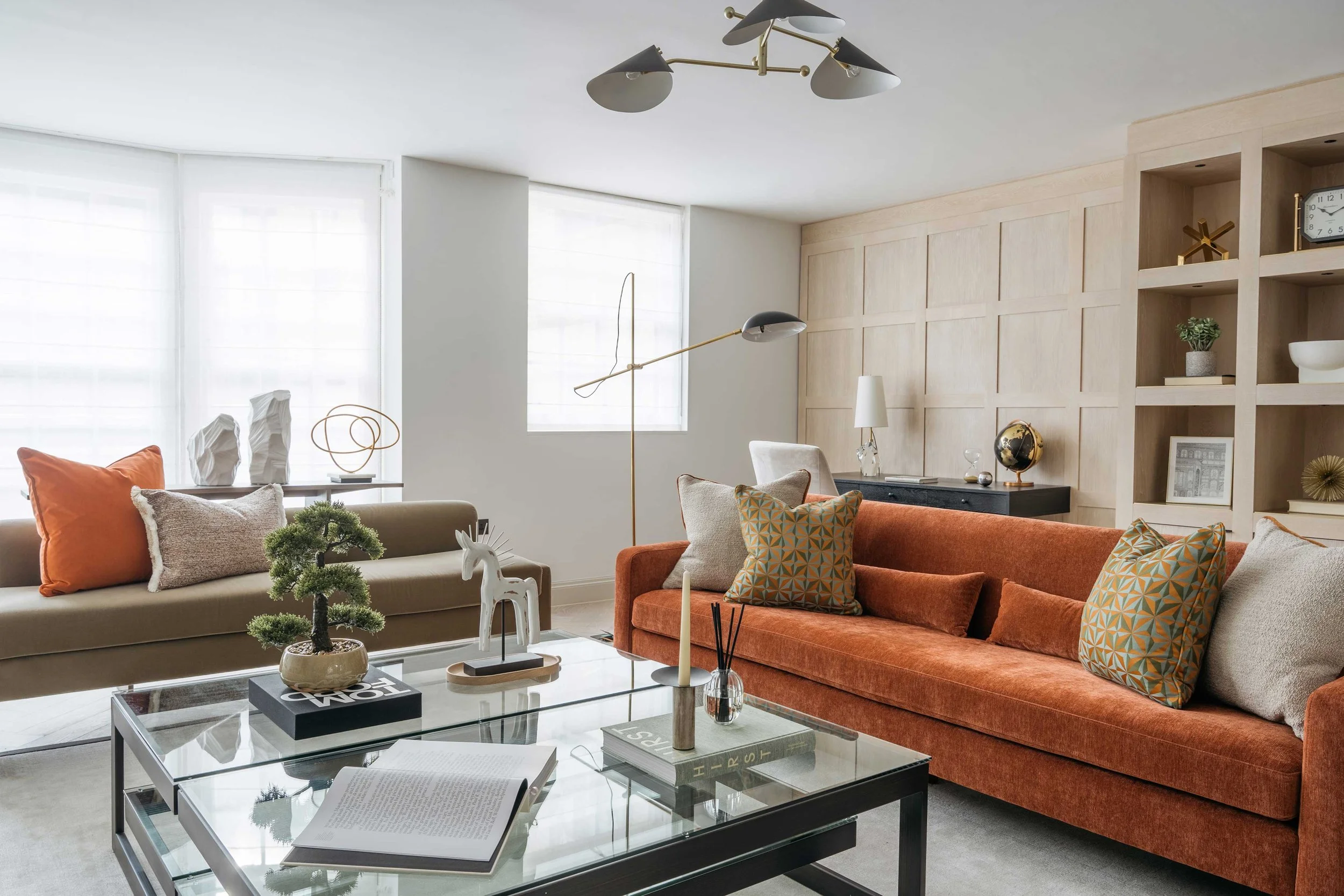
HOW LIGHTING SHAPES PERCEPTION AND RESPONSE
Lighting plays a critical role in how buyers experience a property. It affects mood, highlights space and subtly influences how comfortable or inviting a home feel during viewings.
Professional staging uses lighting strategically to guide attention. It highlights strengths, softens limitations, and creates a visual flow that shapes how buyers remember the property.
Natural light increases perceived value
Even lighting reduces discomfort and distraction
Strategic lighting draws focus to key features

COLOUR PSYCHOLOGY IN PROPERTY PRESENTATION
Colour choices influence buyer emotions and perceptions measurably. Understanding these effects allows staging to create specific psychological responses supporting purchase decisions.
Neutral palettes reduce decision friction
Buyers viewing properties with neutral colour schemes experience less cognitive interference when imagining their own belongings in spaces. Bold colours create mental work as buyers mentally repaint rooms, adding complexity that delays offers.
Warm neutrals create psychological comfort
Shades reading as warm rather than cool generate subtle comfort responses that buyers experience as properties feeling welcoming. This emotional response influences perceived value and offer confidence.
Consistent colour creates perceived quality
Properties with coherent colour palettes communicate attention to detail and quality maintenance, influencing buyer confidence about overall property condition. Our Home Staging Portfolio
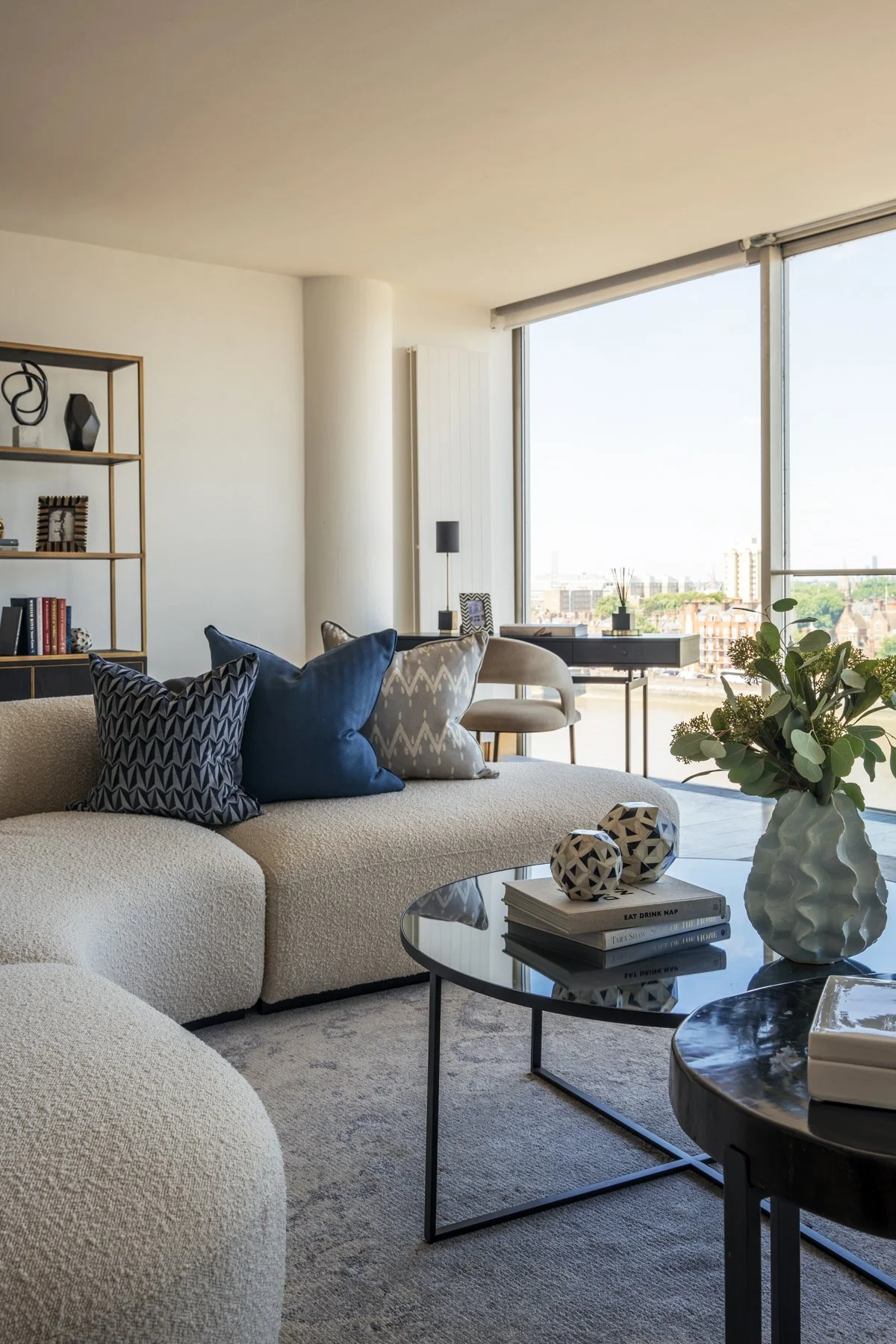
FURNITURE LAYOUT AND SPATIAL PSYCHOLOGY
Furniture layout has a powerful impact on how buyers interpret space. The right arrangement helps them understand scale, flow, and functionality without effort.
Well-proportioned furniture demonstrates how rooms work in real life. It removes guesswork and shows that spaces are practical and comfortable. Clear pathways also allow buyers to move naturally, which reduces subtle discomfort during viewings.
CREATING EMOTIONAL CONNECTION THROUGH STAGING
Buyer decisions fundamentally depend on emotional connection with properties. Professional home staging in London and competitive markets create these connections through deliberate design psychology. Effective staging presents lifestyles buyers aspire to whilst remaining believable as spaces they could inhabit. Too aspirational feels unattainable. Too basic fails to inspire.
When staging demonstrates how daily life unfolds in properties, buyers begin unconsciously imagining their routines there. Morning coffee locations, weekend entertaining spaces, remote working arrangements all become mentally real. Buyers typically decide emotionally whether properties feel right, then use rational factors to justify decisions already made. Staging creating emotional connection enables buyers to progress to justification rather than remaining detached.
WHY EMPTY PROPERTIES CREATE PSYCHOLOGICAL BARRIERS
Empty properties often struggle because they require buyers to do too much mental work. Without visual guidance, most people cannot accurately judge how a space will function.
This uncertainty slows decision-making. Buyers hesitate because they cannot confidently picture how the property fits their needs. In many cases, they simply move on to easier options.
Empty spaces also feel temporary. Without warmth or context, they lack the emotional cues that make a place feel like home.
Most buyers cannot visualise empty spaces effectively
Uncertainty leads to hesitation or rejection
Empty rooms feel transitional rather than lived-in
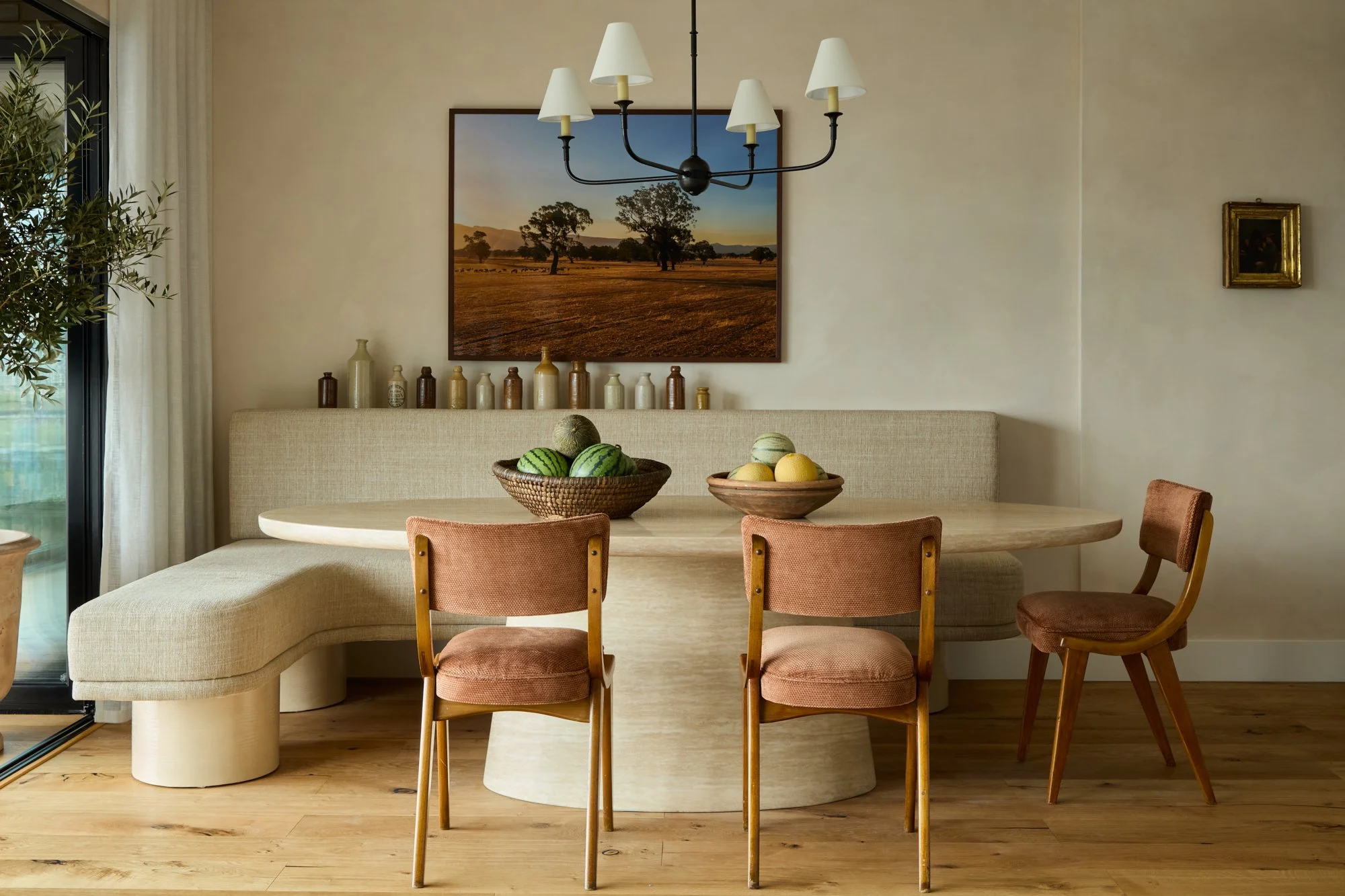

DECLUTTERED SPACES AND DECISION CLARITY
Visual complexity affects buyer psychology measurably. Cluttered spaces create cognitive overload interfering with decision-making, whilst simplified environments support confident decisions.
Visual noise increases mental effort
Buyers viewing cluttered properties spend psychological resources processing visual information rather than emotionally engaging with spaces. This mental taxation leaves them exhausted rather than excited.
Simplified spaces accelerate processing
When staging removes visual complexity, buyers process properties effortlessly. This cognitive ease translates into properties feeling right, though buyers rarely articulate that simplified presentation created their positive response.

STRATEGIC STAGING AS APPLIED PSYCHOLOGY
Professional staging succeeds commercially because it applies buyer psychology strategically. Working with a professional home staging company ensures design choices align with how buyers make decisions.
Design expertise meets behavioural understanding
Effective staging requires both design competence and psychological insight. Understanding how colour influences buyer confidence matters more than colour theory alone.
Every choice serves decision facilitation
Strategic staging recognises everything buyers see either supports or interferes with purchase decisions. Lighting, colour, furniture, styling all get chosen specifically to reduce uncertainty and accelerate emotional connection.
Market performance validates the approach
Properties staged strategically photograph better, generate more viewing requests, create stronger buyer engagement, and convert interest into offers more reliably than properties presented without psychological consideration.