
THE ROI OF STAGING: REAL NUMBERS BEHIND FASTER SALES AND HIGHER OFFERS
The average London house price sits at £526,400, according to Zoopla's House Price Index. At this price point, buyers are not making impulse decisions, they carefully compare properties and look for reassurance that they are making the right choice. In areas such as Southern England, where affordability pressures are higher, buyers tend to be even more selective about where they invest their money.
In competitive markets where buyers have multiple options, professional home staging helps demonstrate value through strong presentation and removes the uncertainty of viewing empty or poorly presented spaces. Whether you are a developer aiming for better margins, a landlord trying to avoid extended void periods, or preparing to sell in a challenging market, understanding the return on investment from home staging has become more important than ever.
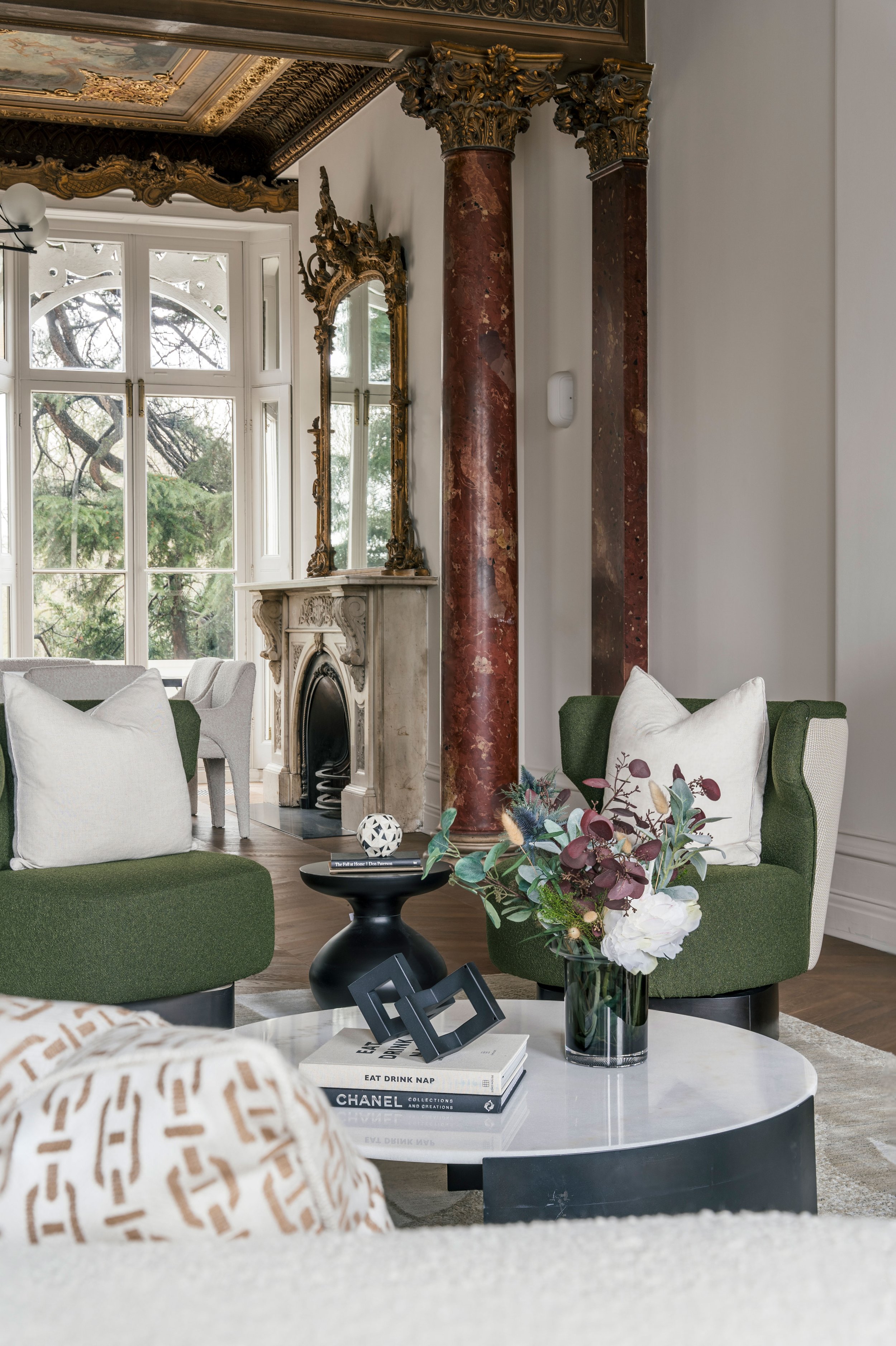
WHAT IS HOME STAGING AND WHY IT MATTERS NOW
Home staging is preparation and presentation designed specifically to sell or let a property. It's not interior design that's about creating personalised spaces for people to live in long term.
The market's shifted considerably. Buyer caution is up, choice is greater, and the properties winning are the ones that don't require imagination. Here's what's changed:
Everything starts online now: Your property’s first impression happens on a screen, often on a buyer’s phone. Professional photography of staged spaces attracts clicks, while empty or cluttered rooms are quickly scrolled past.
Buyers want move in ready: The shift to remote and flexible living changed buyer expectations. They want to see functional spaces, good lighting, and quality finishes immediately without needing to imagine possibilities.
Competition remains intense: Even as mortgage rates stabilise around 4%, affordability pressures remain and buyers have plenty of choice. Staging helps your property stand out rather than blend into the market.
The business case: how staging impacts your bottom line The ROI of staging comes down to clear commercial logic. With Zoopla’s latest figures showing house price growth at just 1.3% year on year, even modest improvements in sale price or reductions in time on the market can create meaningful financial impact for sellers, developers, and landlords.
In competitive markets, presentation directly influences how buyers perceive value. Professional staging ensures a property photographs well, attracts more qualified viewings, and strengthens the overall position of the listing when compared with similar homes nearby.
Stronger first impressions
Faster property sales
Greater buyer confidence
Competitive market advantage
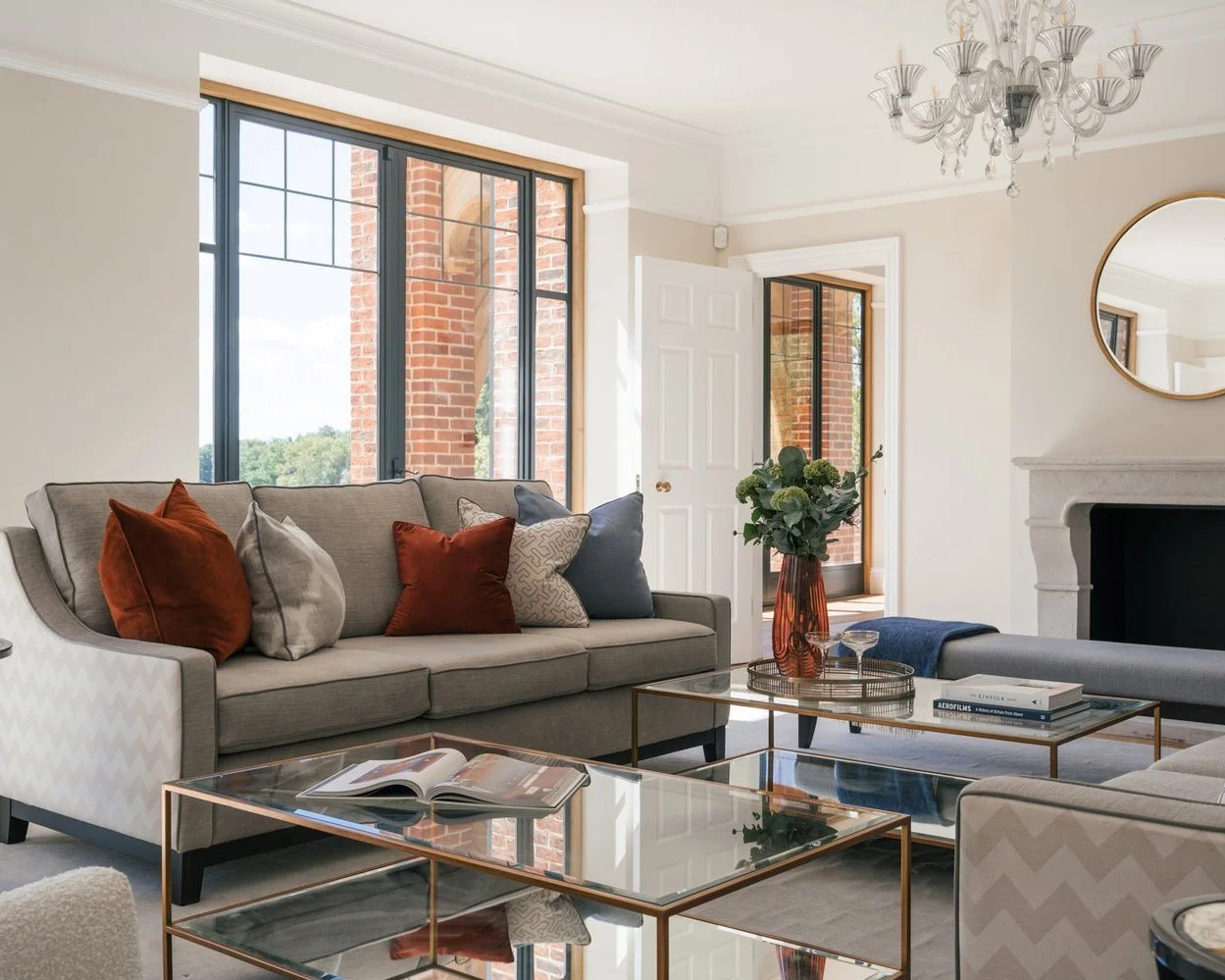
STAGING FOR SELLERS: FASTER SALES, STRONGER OFFERS, REDUCED STRESS
The London property market remains competitive across most regions. In this environment, presentation becomes the difference between leading your local market and watching other properties sell while yours sits.
Your online presence works: Property searches start online. Always. Professional photos of staged spaces get people through the door. Empty rooms make buyers think "fixer upper" or "I'll have to spend more money." Staged rooms make them think "I could live here." Simple as that.
Less haggling, fewer low offers: When someone walks into a property that already feels complete, feels like somewhere they could see themselves, the emotional attachment changes everything.
Smoother path to completion: Properties that sell quickly build momentum. Staged homes typically move from listing to exchange faster and with fewer complications. Less chance of chains collapsing. Less stress. Less wondering if this sale's going to happen.
You stand out locally: More homes are on the market than last year. In a crowded field, staging makes yours the property people remember. The one they talk about. The one they keep coming back to. And eventually, the one they buy.
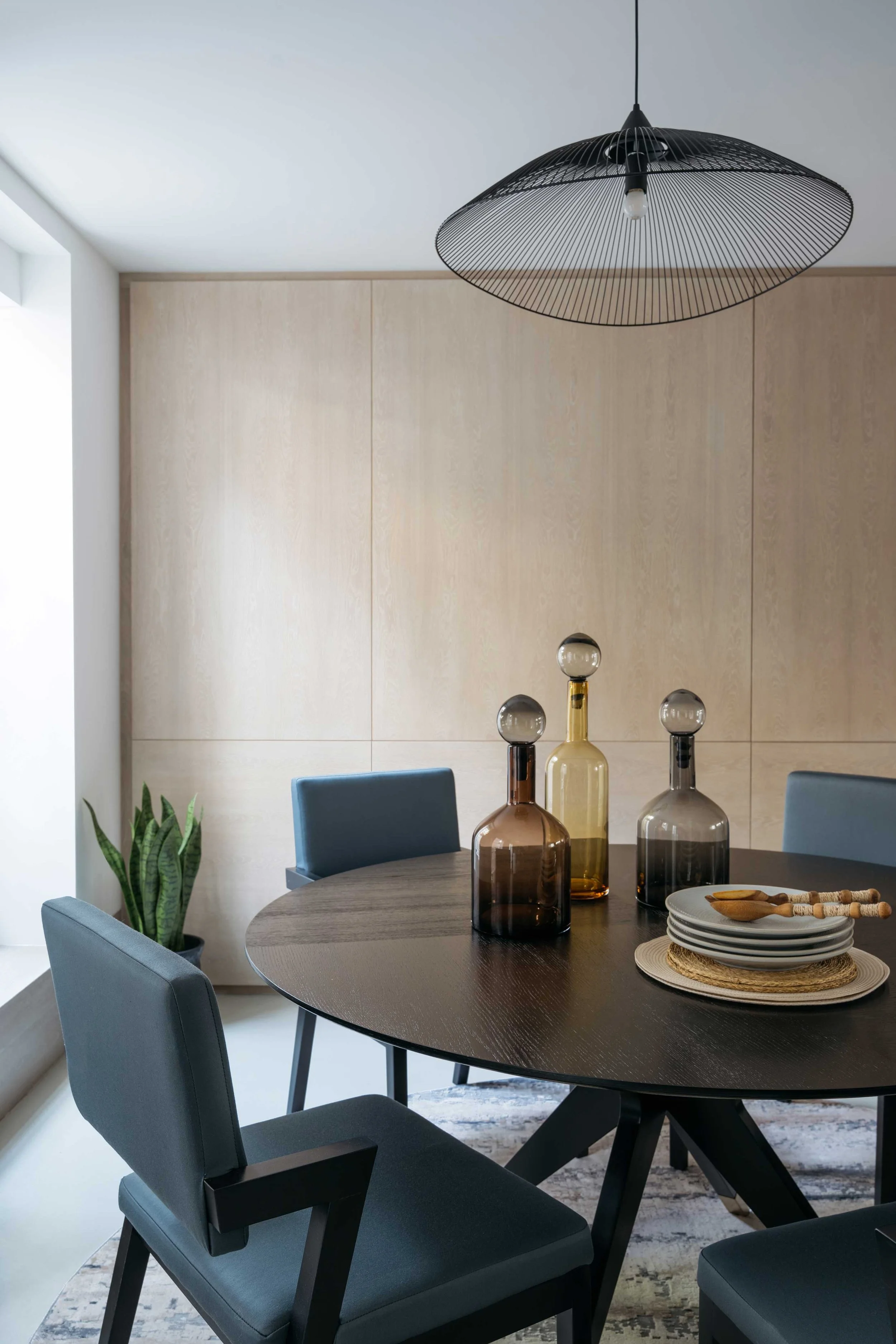
According to the latest ONS data, the average monthly rent in London stands at £2,273, up from £2,235 a year earlier representing annual rental growth of 1.7%. In a competitive rental market, how a property is presented can directly influence how quickly it is let and the type of tenants it attracts. Professional staging helps rental listings stand out online, creating a strong first impression that encourages more enquiries and viewings from prospective tenants.
Well presented properties also tend to attract tenants who value their living environment and are more likely to treat the home with care. This can lead to longer tenancies, fewer maintenance issues, and reduced turnover, helping landlords maintain more stable rental income while minimising costly void periods.
THE LANDLORD PERSPECTIVE: VOID PERIODS, TENANT QUALITY, RENTAL YIELDS

WHO BENEFITS MOST FROM PROFESSIONAL STAGING
Staging delivers value across all property segments, but the impact varies depending on market position and buyer behaviour. Understanding where staging creates the strongest commercial advantage helps inform your investment decision.
Mid market properties see the highest impact: In competitive segments where buyers compare many similar homes, staging becomes a key differentiator and helps properties stand out beyond location and size.
Entry level properties convert faster with staging: First time buyers often view several homes quickly, and staged spaces help them visualise living there, encouraging faster decisions and offers.
Well maintained properties still need presentation: Even well kept homes can struggle to attract attention without strong presentation, especially in markets with plenty of available properties.
Properties with strong fundamentals maximise returns: When location, price, and size are already competitive, staging helps convert buyer interest into stronger offers and less negotiation.
WORKING WITH A PROFESSIONAL HOME STAGING COMPANY: WHAT TO EXPECT
Understanding what happens during professional staging helps clarify the value behind the investment. At BoxNine7, we combine market knowledge with design expertise to present properties in their strongest commercial position. The process begins with an initial consultation to understand your property, timeline, and target buyers or tenants. From there, we develop a strategic styling approach tailored to the type of property and local market conditions, ensuring every design decision supports faster sales or lets.
Our team carefully plans furniture placement to show scale, define how each room functions, and create a natural flow that helps buyers visualise living in the space. If you want your property to stand out and achieve stronger results in today’s competitive market, speak with the BoxNine7 team and discover how professional staging can maximise your property’s potential.
HOW STAGING SUPPORTS SMOOTHER VIEWINGS AND STRONGER BUYER CONFIDENCE
Beyond the pure financial metrics, staging creates psychological advantages that speed up sales and remove friction from the whole transaction. Understanding these benefits explains why staged properties convert viewings to offers at higher rates.
No more "what would we do with this room?" confusion: Staging answers that question before buyers must ask it. Every space has a clear purpose, helping buyers clearly understand how the space works.
You look like a serious seller: Buyers see a staged property and recognise the effort invested in presenting it well, which builds trust and helps the process run more smoothly.
Viewings become memorable: Staging creates an emotional connection that helps buyers remember the property and feel more confident about making an offer.

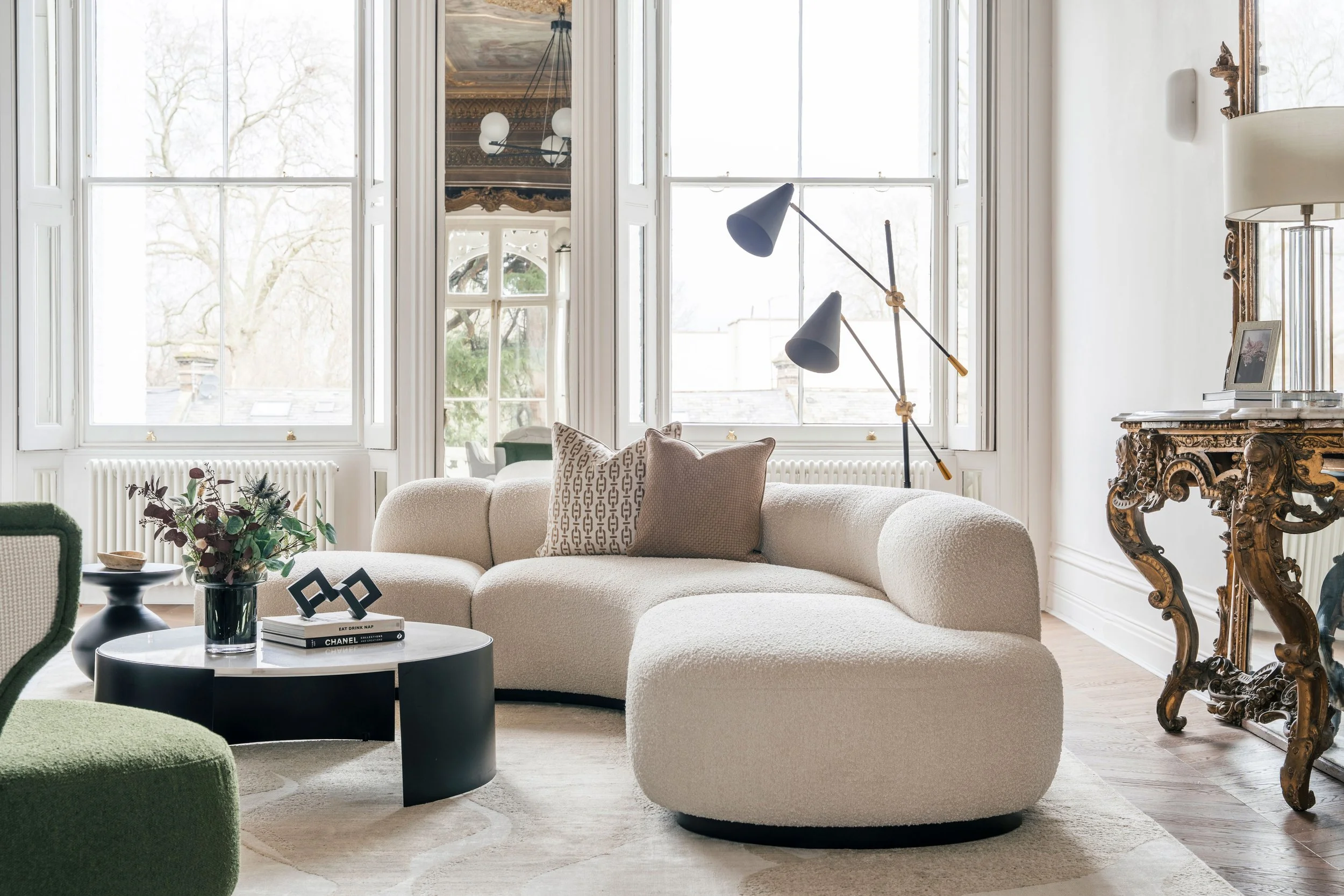
THE STRATEGIC IMPERATIVE: STAGING AS COMMERCIAL
Professional staging addresses the commercial realities of selling or letting property in competitive markets. Presentation influences buyer decisions, viewing conversion rates, and final sale prices in measurable ways.
At BoxNine7, staging begins with market analysis and buyer research. We examine comparable properties, identify presentation gaps, and design spaces that align with current buyer expectations. Each project combines spatial planning, furniture selection, and styling informed by what generates buyer interest in specific market segments.